





Getting Started With Oshi Casino Sign Up
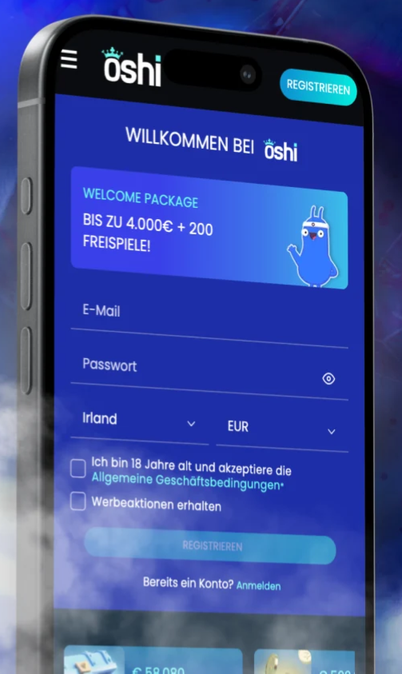
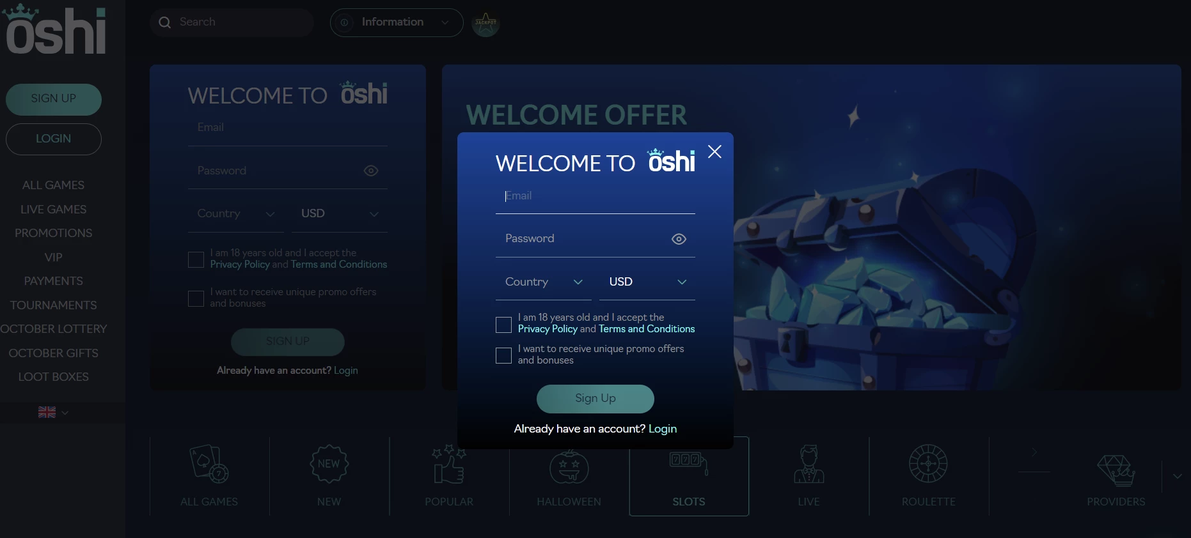
The first impression of any casino platform is rarely the lobby. It is the account setup. Players in Australia usually want a short, readable process that explains what happens now and what may happen later, especially around profile checks, spending tools, and cashout preparation. When the early steps are placed in the right order, the whole platform feels easier to trust.
Imagine opening a new account after dinner on your phone. You are not looking for a lecture. You want clear fields, one visible next step, and a short review screen before the profile goes live. That is why a good start in 2026 depends less on flashy design and more on practical structure.
A sensible routine is simple: enter accurate details, check them once, confirm your contact information, and review any budget tools before you deposit. Players who rush through this stage often spend more time correcting avoidable errors later, especially when they try to withdraw or recover account access.
What Good Account Access Should Feel Like
Modern account entry is not just a password box. It is part security layer, part user experience. A strong platform should let regular sessions feel quick while still reacting when a new device or unusual activity appears. That balance matters because players want protection, but they do not want every return visit to feel like a fresh registration.
Picture switching from a laptop at home to a phone on the train. If the platform asks for one extra confirmation and then remembers the device, most users accept that as sensible protection. If every session feels slow and repetitive, trust drops fast. Good access flow feels calm, not dramatic.
There is also a practical side to this. When the profile icon, wallet section, history page, and support button are easy to find right after entry, users stay oriented. When those basics are hidden, even a working account can feel frustrating.
Mobile Access For Players On The Move
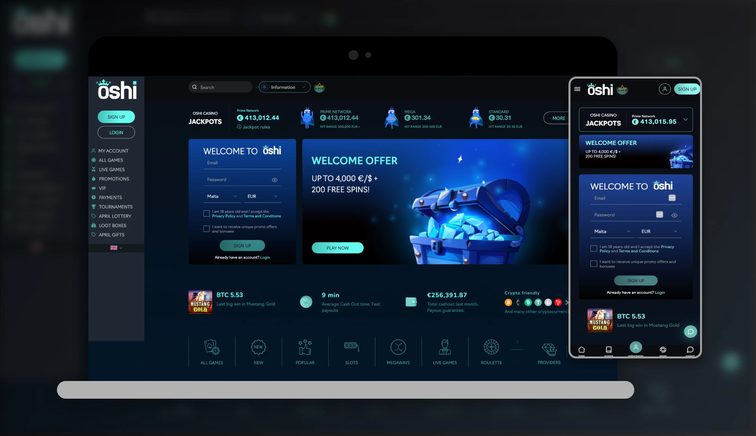
Mobile play now happens in short windows - before work, during lunch, or late in the evening. Because of that, the mobile build has to respect limited time and limited screen space. Usually players want three things first: fast entry, balance visibility, and a clean route back to recent games.
Imagine opening the platform while waiting for transport. You may only have ten minutes. In that moment, large banners matter less than a stable menu, a clear wallet button, and a quick way to close the session when your stop arrives. Mobile convenience is not decoration; it shapes whether short sessions feel controlled or messy.
Security matters more on the move as well. Public connections, shared devices, and interrupted sessions all increase risk, so players are better off using private networks when possible and logging out fully instead of relying on automatic timeout alone.
Payments And Cashier Habits That Save Time
The cashier is where confidence becomes real. Players can like the game lobby and still leave if money handling feels vague. In practice, most users are looking for a compact overview first: which methods are available, which ones support both directions, what the current status means, and whether any profile review is still pending.
Imagine making a small deposit at night and checking the account again the next morning. A good cashier tells you whether the payment is completed, pending, or blocked for review. It should also separate account funds from promotional balances and keep the transaction history readable enough that you do not need support for basic questions.
Area | What To Review | Why It Helps |
|---|---|---|
Funding Route | Method, limits, confirmation status | Makes deposits easier to compare |
Cashout Route | Whether the same method supports payout | Reduces friction later |
History | Pending, completed, or reversed entries | Clarifies balance movement |
Profile Check | Any remaining review prompt | Prevents payout surprises |
Control Tools | Spend caps and break settings | Supports better session planning |
What Players Learn From The First Cashout
The first withdrawal usually teaches more than the first deposit. Deposits are often fast by design, while payouts are where profile accuracy, payment matching, and account review begin to matter. That is why experienced users often finish their profile checks early instead of waiting for the first win to trigger extra steps.
Picture a player requesting money out after a strong opening session and then seeing a pending review notice. That moment feels less stressful when the player already expects a process rather than instant movement. A practical approach is to treat the first cashout like a test run: use a manageable amount, watch the status, and note what information the platform asks for.
Choosing Games Without Letting The Lobby Choose For You
Large lobbies create a simple problem: too much choice can make people less deliberate. Players often move from one category to another because every tile promises something different, then wonder why the session felt scattered. A better approach is to decide what kind of experience you want before you start - short entertainment, slower table play, or feature-heavy sessions with more variation.
Imagine opening the platform with twenty minutes free. If you choose one category first, the session gains shape. If you follow every new banner, your time and balance disappear into constant switching. In 2026, search and filter tools matter more than ever because they help users browse with intent instead of reacting to whatever appears first.
Reading A Lobby Like A Regular Player
Regular players rarely judge a platform by how many game thumbnails fit on the first page. They look for control. Can you sort quickly? Save favorites? Return to recent titles without rebuilding the search from zero? Those small features reduce effort across dozens of sessions.
Think about two different evenings. On one platform, your last choices are saved and your filters stay in place. On another, everything resets each time. The first experience feels lighter because it respects your time, and that often matters more than the raw size of the library.
When Session Tools Matter More Than Promotions
Promotions attract attention, but session tools protect the player over time. Deposit caps, cooling-off periods, and reminders may look less exciting than a banner offer, yet they often become the most useful account features after regular play begins. They turn vague intentions into visible limits.
If you know late-night sessions tend to run too long, set boundaries before you start. Imagine opening the platform after a tiring day and deciding in advance how much time and money the session may take. That one step reduces emotional decisions later, especially after losses or repeated bonus hunting.
Support That Actually Moves A Problem Forward
Support quality becomes obvious when something breaks: a device switch triggers a security prompt, a transaction stays pending, or a bonus condition feels unclear. In those moments, the best support systems do not just answer. They shorten the route to a solution by asking for the right facts early.
Imagine losing access to your balance view after changing phones. A useful support flow asks for the account email, the time of the last successful session, the device type, and the message currently shown on screen. That is far better than a generic reply that tells you to restart the app and hope for the best.
Players improve their own results here by writing clearly. Open the history page, note the amount or time involved, and describe events in order. The calmer the timeline, the faster the problem usually moves.
What To Prepare Before Contacting Support
A short checklist helps more than a long complaint. Keep your account email, device type, payment amount, time stamp, and visible status message ready. If the issue involves a withdrawal or account block, also review whether any profile step is still incomplete.
Picture two users reporting the same issue. One says, "My money is gone." The other explains the amount, method, time requested, and current status in the cashier. The second user almost always gets the better answer because the case is easier to understand from the start.
Playing Responsibly In Australia In 2026
For adults in Australia who meet local minimum age requirements, the healthiest approach is to treat casino play as planned entertainment with clear boundaries. That means using the platform when you have time, attention, and a defined budget - not when you are stressed, chasing losses, or trying to solve financial pressure through risk. The difference sounds obvious, but it changes the whole experience.
Imagine ending a long week and opening the lobby for a short session. That can remain harmless when the time limit and spending ceiling are set before the first deposit. The same session becomes far less stable when it drifts into repeated top-ups, missed sleep, or frustration-based decisions.
Cooling-off tools and self-exclusion options matter because they create distance when discipline feels weaker. The smartest moment to review those tools is not after a bad night. It is during setup, when judgment is calmer and choices are easier to make.
Building A Simple Routine Before You Deposit
The most useful routine is also the easiest one to repeat. Decide your budget before opening the cashier, choose how long the session may last, and define what ends the session - a time reminder, a spending cap, or the completion of one planned game cycle. Clear rules remove pressure from the middle of play.
Picture a player adding funds with no plan, then jumping between categories while checking the balance every few minutes. Now compare that with someone who sets a ceiling, picks one game type, and leaves when the reminder appears. The second routine feels calmer because it removes constant decision-making.